

Dental Fillings in San Jose, CA
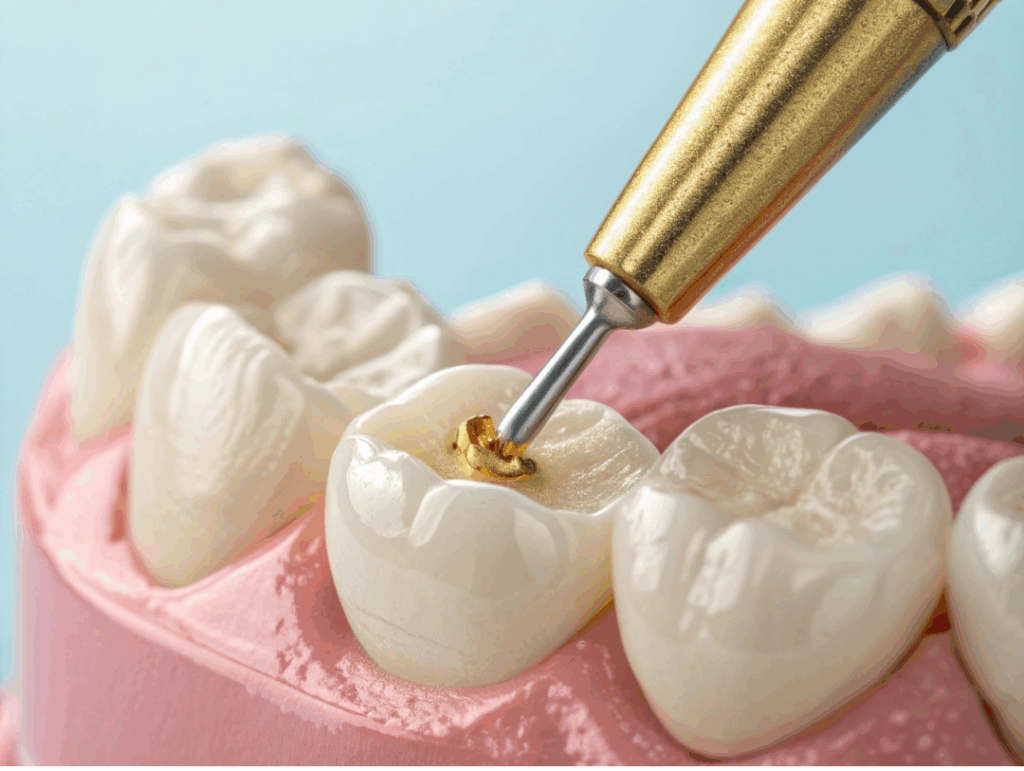
Taking Care of Your dental health
Signs Your Tooth Is Ready for a Filling
Most people don’t notice a cavity until something feels off. By then, the tooth has usually been trying to tell you for a while.
This happens a lot in Suite 202 San Jose. A patient comes in saying their tooth has “felt weird” for a month. Sometimes longer. The good news? Catching it now, before it turns into something bigger, is the right move.
Here are the signs that usually mean a dental filling is what you need:
- A sharp or dull ache when you bite down on that side
- Sensitivity to cold, hot, or sweet foods that lingers a few seconds
- A visible dark spot, pit, or rough patch on the tooth surface
- Food keeps getting stuck in the same spot every time
- You can feel a hole or chip with your tongue
None of these mean you’re in trouble. They mean your tooth needs attention now, not later.
Sensitivity is the one that throws people off the most. You might think it’s just a “sensitive tooth” and brush it off. But there’s a difference between general sensitivity and the kind that spikes when you sip cold water and then fades slowly. That second type is worth checking out.
Pain that comes and goes is another one. You eat something, it hurts, then it stops. So you figure it’s fine. It’s not fine, it’s just not constant yet.
According to the American Dental Association, tooth decay is one of the most common chronic conditions in adults, and most cavities don’t cause noticeable pain until they’ve progressed. That’s why we recommend not waiting for pain to push you through the door.
Patients in the Willow Glen and Rose Garden neighborhoods often come in after months of mild symptoms they assumed would resolve on their own. A quick exam usually confirms what the symptoms were already pointing to.
A small cavity treated early stays a small fix. Let it go, and a dental filling turns into something more involved. If any of these signs sound familiar, give us a call. We’ll take a look and tell you exactly what’s going on.
Prevention
What Happens If You Skip the Filling
A lot of patients leave our office with a filling recommendation and think, “I’ll get to it later.” We get it. Life gets busy, especially in a city like San Jose where your schedule never really slows down. But skipping a dental filling isn’t like putting off a haircut. The tooth doesn’t wait for you.
Here’s what actually happens when decay goes untreated:
- The cavity grows deeper, moving closer to the nerve
- Bacteria reach the inner pulp of the tooth and cause infection
- Pain goes from occasional sensitivity to constant, throbbing discomfort
- The tooth structure weakens until a simple filling is no longer enough
It’s a pattern we see regularly. Someone comes in with a tooth that needed a small filling six months ago. Now it needs a root canal and a crown. That’s a longer appointment, more recovery time, and a lot more work on our end to save the tooth. Sometimes we can’t save it at all.
Once decay hits the pulp, root canal therapy becomes the next step. That’s more involved than a dental filling, and it still might not be the end of the road. If the tooth is too far gone, extraction is the only option. Then you’re looking at a dental implant or bridge to fill the gap, which is a much bigger commitment than the filling you were putting off.
Patients in the Willow Glen area of San Jose often come to us after ignoring a tooth for months, sometimes longer. By that point, the discomfort has been part of their daily life so long they’ve almost stopped noticing it. That’s not normal. That’s a sign the problem has progressed.
The good news? A small cavity caught early is one of the fastest, most straightforward things we do. Most dental fillings are done in a single visit. You come in, we take care of it, you leave with a tooth that’s protected and feels good again.
Don’t wait until the pain makes the decision for you.
Dental Sealants
Filling Material Options Explained Simply
One of the first questions patients ask us is what their filling will actually be made of. It’s a fair question. Not every tooth is the same, and not every material works the same way in every situation.
Here’s the honest breakdown of what we use and why.
The most common options we work with in Suite 202 San Jose come down to a few core materials:
- Composite resin: tooth-colored, bonds directly to the tooth, great for visible areas
- Amalgam: silver-colored, very durable, typically used on back molars where strength matters most
- Glass ionomer: releases fluoride over time, often used for smaller cavities or areas near the gumline
Composite resin is what most of our patients choose. It blends right in with your natural tooth color, so nobody’s going to notice you had work done. Patients come in worried about having a visible metal filling and walk out relieved because the composite looks natural. That reaction is one we see often.
Amalgam still has a place. For back molars that take a lot of chewing pressure, it holds up really well over time. Some patients prefer it for that reason alone. According to the American Dental Association, amalgam fillings have a long track record of safety and durability, which is why they’re still an option we discuss with patients rather than dismiss.
Glass ionomer is a bit more specialized. It’s not as strong as composite or amalgam, but it does something neither of those can do: it slowly releases fluoride into the surrounding tooth. For certain situations, especially in younger patients or areas prone to decay, that’s a real advantage.
We always walk you through which material makes the most sense for your specific tooth before we start anything. The location of the cavity, how big it is, and your bite all factor in. Patients in the Willow Glen area and across San Jose come to us because we take that conversation seriously instead of just defaulting to one option for everyone.
The right material isn’t the most expensive one. It’s the one that fits your tooth, your bite, and your life.

The Filling Procedure Step by Step
A lot of patients in Suite 202 San Jose come in nervous because they don’t know what’s actually going to happen. Once you know the steps, it’s less stressful. So here’s exactly what we do.
We start with a quick exam and, if needed, a digital x-ray to see how deep the decay goes. That tells us everything before we touch a single tooth.
- Numbing the area. We apply a topical gel first, then a small injection of local anesthetic. Most people feel pressure, not pain. Give it two minutes and the tooth is completely numb.
- Removing the decay. We use a dental handpiece to clear out all the damaged tooth structure. We only remove what has to go. Nothing more.
- Cleaning and preparing the cavity. The space gets cleaned and shaped so the filling material bonds properly. This step matters more than people realize.
- Placing the filling. We apply composite resin in layers, shaping it to match your natural tooth. Each layer is hardened with a curing light in seconds.
- Checking your bite. You’ll bite down on a thin strip of paper. If anything feels high or off, we adjust it right there. No exceptions.
- Polishing. The final surface gets smoothed so it feels natural against your tongue and the opposing teeth.
Start to finish, most dental fillings take 30 to 60 minutes depending on the size and location of the cavity. A small cavity on a front tooth goes faster, a larger one on a back molar takes a little longer.
The numbness wears off in about two to four hours. Avoid hot food and drinks until then.
We see patients from Willow Glen and all across San Jose who waited months to come in because they were anxious about the procedure. Almost every one of them says the same thing afterward: “That was way easier than I expected.” That reaction never gets old for us.
The sooner you come in, the simpler the procedure. A small cavity today stays a small cavity. Wait too long and you’re looking at something much bigger.
Caring for Your New Filling in the First 48 Hours
The first two days after a dental filling matter more than most people realize. What you do right after you leave our office in Suite 202 San Jose can make the difference between a smooth recovery and unnecessary discomfort.
Here’s the first thing to know: if we used a composite (tooth-colored) filling, it’s fully hardened before you walk out the door. But your jaw and gum tissue are still a little irritated from the work. That soreness is normal. It usually fades within 24 to 48 hours on its own.
Numbness from the anesthetic can last two to four hours after your appointment. Don’t eat on that side until the feeling fully comes back. Patients who try to eat too soon sometimes accidentally bite their cheek or tongue. It’s an easy thing to avoid.
For the first 48 hours, here’s what we recommend:
- Avoid very hot or very cold foods and drinks
- Skip sticky foods like caramel or chewing gum
- Chew on the opposite side of your mouth when possible
- Take an over-the-counter pain reliever if you feel any soreness
Sensitivity to temperature and pressure right after a filling is normal. According to the American Dental Association, mild sensitivity after a dental filling usually resolves within a few weeks. But if the pain feels sharp, lasts longer than two weeks, or your bite feels uneven, call us. That’s not something to wait on.
One thing patients in the Willow Glen area tell us all the time: they didn’t expect the bite to feel slightly “off” at first. That’s usually just your mouth adjusting. A quick follow-up visit to adjust the filling height takes about five minutes and fixes it completely.
Brush and floss gently around the area starting that same night. You don’t need to avoid it, just be a little careful. Good hygiene right from the start helps the surrounding gum tissue heal faster.
Most people feel totally fine by the next morning. The recovery is shorter than most patients expect.

Frequently Asked Questions
How do I know if my tooth sensitivity means I need a filling or if it's just a sensitive tooth?
The key difference is how long the sensitivity lasts. General tooth sensitivity fades almost instantly. But if cold water or a sweet drink causes a spike that lingers for several seconds, that’s a sign decay may be involved. At our office in Suite 202 San Jose, this is one of the most common things patients describe before we find a cavity. Don’t brush it off. A quick exam can tell you exactly what’s going on before it gets worse.
What actually happens to a tooth if I wait too long to get a filling?
The decay keeps spreading deeper into the tooth. What starts as a small cavity can reach the nerve, turning a simple filling into a root canal or even an extraction. We see this regularly in Suite 202 San Jose. A patient comes in with a tooth that needed a filling months ago, and now it needs much more work. Most fillings are done in one visit. Waiting turns a short appointment into a much bigger one.
Is a tooth-colored filling as strong as a silver one?
For most teeth, yes. Composite resin bonds directly to the tooth and holds up well in everyday use. For back molars that handle heavy chewing pressure, amalgam (silver) is still a solid choice because of its long-term durability. The American Dental Association confirms amalgam has a strong safety and durability record. We talk through both options with you based on where your cavity is and how you bite.
How long does a dental filling appointment actually take?
Most single-tooth fillings take between 30 and 60 minutes from start to finish. If you have more than one cavity, plan for a bit more time. At our Suite 202 San Jose location, we try to keep things moving so you’re not sitting in the chair longer than needed. We numb the area first, so you shouldn’t feel pain during the procedure. Most patients are surprised by how quick and straightforward it is.
Is there anything I should do to prepare before coming in for a filling?
Eat a normal meal before your appointment since your mouth may be numb for a couple of hours afterward. Let us know about any medications you take, especially blood thinners or anxiety medications. Patients coming to our office in Suite 202 San Jose can find parking directly in the building lot, which makes the visit easier. Wear comfortable clothes and plan to take it easy for the rest of the day if you have multiple fillings done at once.
Contact
Schedule Your Dental Fillings Appointment in San Jose Today
Start or continue your oral health journey with Manassra Dental’s expert exams and diagnostic services in San Jose, CA. Whether it’s your first visit or a routine checkup, our team catches problems early, creates personalized treatment plans, and helps keep your smile healthy and beautiful for years.
Call (408) 809-7760 or book your appointment online for a comprehensive, periodic, or limited exam tailored to your needs.
Open Hours
Mon-Fri: 9am to 5pm
Sat: Closed
Sun: Closed
Location
841 Blossom Hill Rd, Suite 202
San Jose, CA 95123