
Dental Bridges in San Jose, CA
Taking Care of Your dental health
Signs You Are a Good Candidate for a Dental Bridge
Not everyone who’s missing a tooth needs a bridge. Many of our patients in San Jose come in thinking they have no good options, and they’re surprised to learn they’re good candidates.
The most obvious sign is simple: you’re missing one tooth, or two or three teeth in a row. That gap has to have healthy teeth on both sides. Those neighboring teeth anchor the bridge in place, so their condition matters.
Here’s what we look for when we’re deciding if a dental bridge makes sense for you:
- One or more missing teeth with natural teeth on each side of the gap
- Healthy gum tissue with no active infection or untreated gum disease
- Strong neighboring teeth that can support a crown on each end
- Good overall oral health, or a willingness to get there before we start
- A preference for a fixed solution over something removable
Gum disease is the one thing that can change the answer. If there’s active periodontal disease, we’d want to address that first with scaling and root planing before moving forward. That’s not a dealbreaker. It just means we take care of the foundation before we build on it.
If you’ve had a missing tooth for a long time, that doesn’t disqualify you either. The sooner you act, the better. Teeth shift. The bone under a gap starts to shrink over time. Waiting makes things more complicated than they need to be.
Research published by the National Institutes of Health on evidence on dental bridges for tooth loss supports the use of fixed bridges as an effective treatment for restoring function and preventing the complications that come with untreated gaps. Those are good reasons not to put it off.
Not sure if a dental bridge is the right fit for your situation? That’s one of the most common questions we get. Give us a call and we’ll take a look together.
Prevention
Types of Dental Bridges Placed at This Office
Not every missing tooth situation is the same, and not every dental bridge is built the same way either. We see patients from all across San Jose come in with different needs, different bone structures, and different goals for how they want their smile to look and function. Before we recommend anything, we take a close look at what’s actually going on in your mouth.
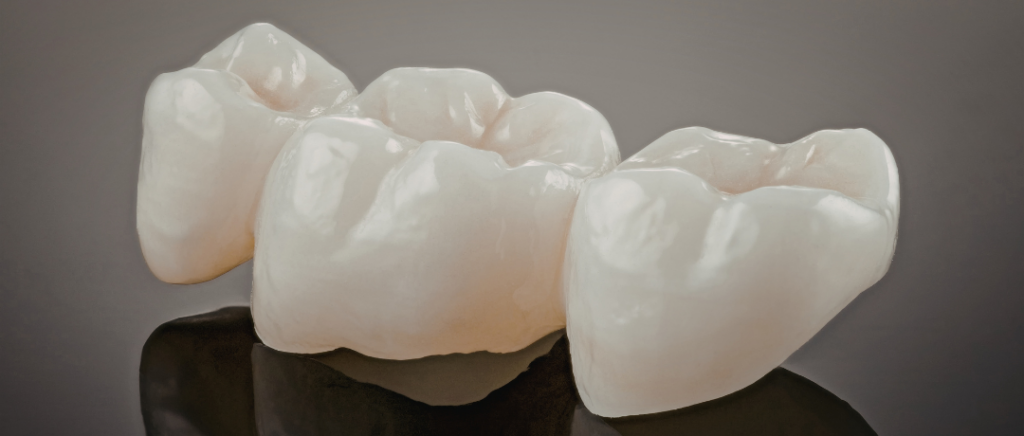
The most common type we place is the traditional bridge. This one uses two crowns on the teeth sitting on either side of the gap, with a false tooth anchored in between. It’s reliable, it looks natural, and it’s been the go-to solution for decades for good reason. It does require shaping down those neighboring teeth, and we always walk you through that before moving forward.

Here are the main types we work with at this office in Suite 202 San Jose:
- Traditional bridges: anchored to two crowned teeth on either side of the gap
- Cantilever bridges: supported by just one adjacent tooth, used when there’s only one neighbor available
- Maryland bridges: bonded to the backs of neighboring teeth using a metal or resin framework, no crowns needed
- Implant-supported bridges: held in place by dental implants instead of natural teeth, great for multiple missing teeth in a row
Maryland bridges are a good fit for patients who want to preserve their existing teeth as much as possible. We use them a lot for front teeth replacements, especially when the neighboring teeth are healthy and untouched. They’re not always the strongest option for back teeth where bite pressure is higher, and we’ll be honest with you about that.
Implant-supported bridges are one of the long-term solutions we offer. They don’t rely on neighboring teeth at all. The implants go directly into the jawbone, and the bridge sits on top. Patients in Willow Glen and the Rose Garden district of San Jose love this option because it feels the closest to having natural teeth again.
We’ll help you figure out which type fits your situation. Every recommendation we make is based on what your mouth actually needs, not what’s easiest or quickest to place.
Dental Bridges
What the Dental Bridge Process Looks Like Step by Step
It typically takes two visits to complete a dental bridge. Here’s what happens at each one:
- Exam and treatment planning. We start by taking digital x-rays and looking at the teeth on either side of your gap. Those anchor teeth, called abutment teeth, need to be healthy enough to support the bridge. If anything needs attention first, we’ll tell you before we move forward.
- Reshaping the anchor teeth. We gently reshape the abutment teeth to make room for the crowns that hold your bridge in place. We use local anesthetic so you’re comfortable the whole time. Most patients are surprised by how manageable this part is.
- Taking impressions. Once the teeth are prepped, we take a precise impression of your mouth. That mold goes to a dental lab, where your bridge is custom-made to fit your bite and match your natural tooth color.
- Placing a temporary bridge. You won’t leave with a gap. We place a temporary bridge the same day so you can eat, speak, and smile normally while your permanent one is being made. That usually takes one to two weeks.
- Fitting and cementing the permanent bridge. At your second visit, we remove the temporary, check the fit carefully, and make any small adjustments. When everything looks right, we cement the permanent bridge into place.
We see patients from Willow Glen and the Rose Garden area come in nervous about this process, and they leave relieved. It’s more straightforward than most people expect.
And the result? A bridge that looks and feels like a natural part of your smile.
If your bite feels off after placement, that’s normal for a day or two as your mouth adjusts. If something still feels wrong after a week, call us. We’d rather check it than have you wonder.

How to Keep Your Dental Bridge Healthy for Years
A dental bridge can last a long time. But only if you take care of it.
Daily Cleaning Is Non-Negotiable
Regular brushing isn’t enough on its own. The space between your bridge and your gum line collects food and bacteria, and a regular toothbrush can’t reach it. You’ve got to get under there. Here’s the routine that works:
- Brush twice a day with a soft-bristle toothbrush, angling toward the gumline.
- Use a floss threader or water flosser to clean under the bridge every day.
- Rinse with an antimicrobial mouthwash to reduce bacteria buildup in hard-to-reach spots.
- Check the area around your abutment teeth for any swelling or sensitivity.
Water flossers are great for bridge patients. Our team recommends them often, especially for folks in Willow Glen who come in and tell us floss threaders feel awkward. The water flosser does the same job with a lot less frustration. The Waterpik website has a solid breakdown of how to use one around a bridge if you want a visual guide.
What to Avoid
Some habits quietly damage bridges over time. Watch out for these:
- Chewing ice or very hard foods on the bridge side
- Biting fingernails or using your teeth to open packaging
- Skipping your regular dental cleaning appointments
Grinding at night is a big one. If you clench your teeth while you sleep, a night guard protects your bridge from the kind of pressure that wears it down faster than anything else.
Come see us here at our Suite 202 San Jose office every six months. We check the fit, the margins, and the health of the teeth holding your bridge in place. Catching a small problem early means you don’t end up needing a full replacement. That’s the point.
Your bridge is an investment in your smile. Treat it like one.
Why Patients in San Jose Choose Manassra Dental for Dental Bridges
People don’t just show up here because we’re close. They come back because we listen, and because dental bridges done right make a real difference in how someone feels walking out the door.
We’ve placed dental bridges for patients from Willow Glen to Almaden Valley, and the story is usually the same. Someone’s been living with a gap for months, sometimes years, and they’ve gotten used to avoiding certain foods or smiling a certain way. That stops here. Our team at Suite 202 San Jose takes the time to understand what you’ve been dealing with before we talk about any treatment.
What sets us apart isn’t just the work itself. It’s how we approach it. We use 3D dental imaging and digital x-rays to map out the exact structure of your teeth and bone before we ever prepare a single abutment tooth. That means fewer surprises, a better fit, and a bridge that functions the way a tooth should. We see patients come in from other offices where the fit was off from day one. It’s more common than it should be.
Comfort matters too. For patients who feel anxious about longer procedures, we offer nitrous oxide sedation and oral sedation right here in our Suite 202 San Jose office. You don’t have to white-knuckle your way through a bridge procedure. If something feels off at any point, you say so and we adjust.
Our team is also experienced in full mouth reconstruction, so if your bridge is part of a bigger picture, we can handle that under one roof. No referrals to three different offices. No starting over with someone who doesn’t know your history.
Most patients tell us the thing that kept them from coming in sooner was not knowing what to expect. So we walk you through every step before it happens. No surprises, no pressure, just a clear plan and a team that’s done this many times.
If you’re in the San Jose area and you’ve been putting this off, this is a good place to start.

Frequently Asked Questions
How long does it take to get a dental bridge at your Suite 202 San Jose office?
Most patients finish the process in two visits spread over one to two weeks. Your first visit covers the exam, reshaping the anchor teeth, and taking impressions. We place a temporary bridge the same day so you’re not walking around with a gap. Your second visit is for fitting and cementing the permanent bridge. Patients coming in from Willow Glen are often surprised by how straightforward the timeline is once they get started.
Can I get a dental bridge if I have gum disease?
Yes, but we treat the gum disease first before placing a bridge. Active periodontal disease affects the gum tissue and bone that support the bridge. We’d start with scaling and root planing to get your mouth healthy. Once that’s done, you can move forward with the bridge. This is one of the most common situations we see in San Jose. It’s not a dealbreaker — it just means we fix the foundation before we build on it.
What should I bring to my first dental bridge appointment at your San Jose office?
Bring your dental insurance card, a photo ID, and a list of any medications you’re currently taking. If you have recent dental x-rays from another office, those are helpful too. Parking is available near our Suite 202 San Jose location, so you don’t need to rush. Plan for about an hour for your first visit. We’ll take digital x-rays, check your anchor teeth, and talk through which type of bridge fits your situation before anything else happens.
Will a dental bridge feel like a real tooth?
Most patients say their bridge feels very close to a natural tooth within a few weeks. Right after placement, your bite may feel slightly different. That’s normal and adjusts quickly. A traditional bridge is fixed in place, so you eat and speak with it just like your own teeth. Patients who choose implant-supported bridges often say it feels the most natural of all the options. We check your bite carefully at the second visit to make sure everything lines up correctly before you leave.
What happens to the teeth on either side of the gap when you place a bridge?
For a traditional bridge, we reshape those neighboring teeth — called abutment teeth — to make room for the crowns that hold the bridge in place. This is permanent, and we always explain it clearly before we start. If you want to avoid reshaping healthy teeth, a Maryland bridge or an implant-supported bridge may be a better fit. We walk every patient in San Jose through the tradeoffs honestly so you can make the right choice for your mouth. The American Dental Association’s overview of dental bridges also explains how abutment teeth are prepared if you’d like to read more before your visit.
What happens if I wait too long to replace a missing tooth?
The longer you wait, the more complicated things can get. Teeth on either side of a gap slowly shift toward the open space. The jawbone under the gap also starts to shrink over time because there’s no tooth root to stimulate it. Both of these changes can affect whether a bridge is still an option — or whether you’d need more work first. Research from the National Institutes of Health on fixed dental bridges supports acting sooner to prevent these complications. We see this regularly with patients across San Jose who waited a year or more.
Contact
Schedule Your Dental Bridges Appointment in San Jose Today
Start or continue your oral health journey with Manassra Dental’s expert exams and diagnostic services in San Jose, CA. Whether it’s your first visit or a routine checkup, our team catches problems early, creates personalized treatment plans, and helps keep your smile healthy and beautiful for years.
Call (408) 809-7760 or book your appointment online for a comprehensive, periodic, or limited exam tailored to your needs.
Open Hours
Mon-Fri: 9am to 5pm
Sat: Closed
Sun: Closed
Location
841 Blossom Hill Rd, Suite 202
San Jose, CA 95123