Tooth Extractions in San Jose, CA
Taking Care of Your dental health
When a Tooth Cannot Be Saved
Nobody walks into our office hoping to lose a tooth. We get that. But sometimes, holding onto a tooth does more harm than good, and knowing the difference matters.
Tooth extractions aren’t the first thing we reach for. Our team tries every option first. Fillings, crowns, root canal therapy, all of it. But there are situations where the damage is too far gone, and pulling the tooth is the kindest thing we can do for your mouth.
So what actually pushes a tooth past the point of saving? A few things come up again and again:
- Decay that has eaten through the root and into the bone
- A crack or fracture that runs below the gumline
- Advanced gum disease that has destroyed the supporting bone
- An infection that hasn’t responded to antibiotics or root canal treatment
- Severe crowding that’s blocking other teeth from coming in properly
We see cracked teeth a lot in patients who’ve been grinding at night for years. By the time they feel it, the split has already traveled somewhere we can’t fix. That part of this work is frustrating.
Impacted wisdom teeth are another story. In Willow Glen and Almaden Valley, we treat patients who’ve been ignoring a partially erupted wisdom tooth for months. It traps food, invites infection, and pushes neighboring teeth out of position. Waiting doesn’t help.
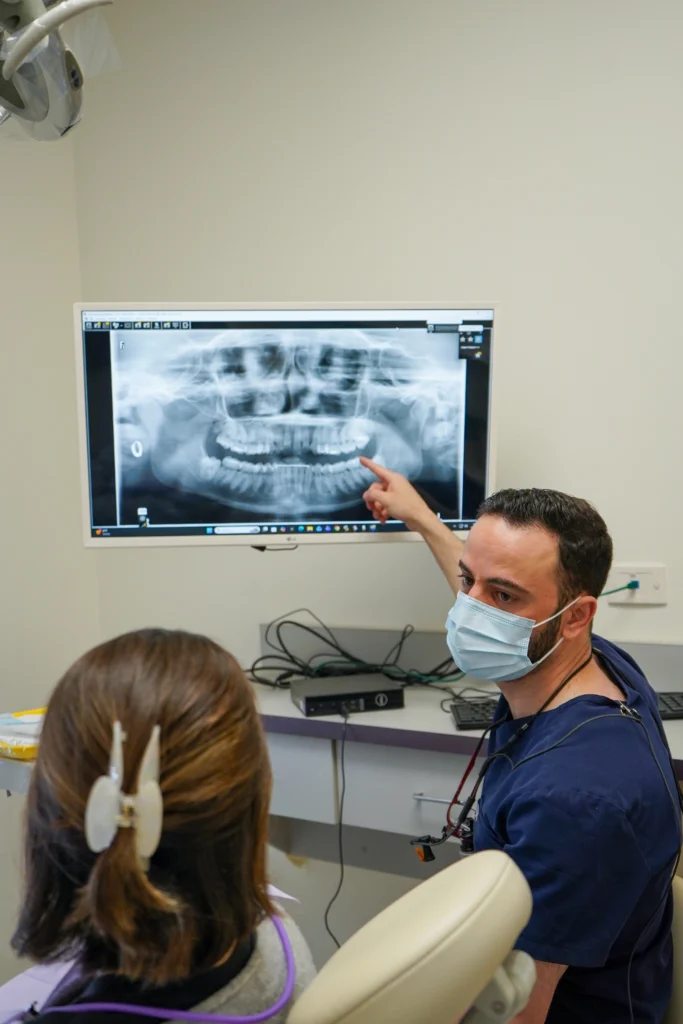
Here’s something worth knowing: a tooth that looks fine on the outside can be failing on the inside. Digital x-rays and 3D dental imaging let us see what’s happening beneath the surface before it becomes a crisis. That’s how we catch problems early enough to give you options.
When the imaging tells us there’s nothing left to anchor a restoration to, we’ll be straight with you. We’ll explain what we’re seeing and walk you through what comes next, whether that’s a dental implant, a bridge, or dentures. Losing a tooth isn’t the end of the conversation. It’s just a turn in the road.
You deserve a clear answer, not a runaround.
Prevention
Simple vs. Surgical Extraction, How the Provider Decides
Not every tooth comes out the same way. The type of extraction you need depends on what’s actually happening with the tooth, and we figure that out before we ever pick up an instrument.
A simple extraction works when the tooth is fully visible above the gumline and the root structure is straightforward. We loosen the tooth, ease it out, and you’re done. Most routine removals at our San Jose office fall into this category. It’s quicker, recovery is faster, and most patients are surprised by how smooth the whole thing goes.

Surgical extraction is a different story. We use that approach when:
- The tooth is broken off at or below the gumline
- The tooth hasn’t fully come through the gum (impacted)
- The roots are curved, fused to bone, or unusually long
- There’s significant infection or bone loss around the tooth
In those cases, we make a small incision in the gum tissue to access the tooth properly. Sometimes we section the tooth into pieces to remove it more safely. It sounds more involved, and it is, but it’s still done right here in our office with sedation options to keep you comfortable throughout.
Here’s what most people don’t realize: we can’t always tell which type you’ll need just from a visual exam. Digital x-rays and 3D dental imaging give us a clear picture of the root shape, bone density, and how the tooth sits in the jaw. Patients come in expecting a quick pull, and the imaging shows a curved root that changes the whole plan. That’s not good preparation.
Patients near the Willow Glen and Almaden Valley areas often come in after a tooth has been cracked or left untreated for a while. By that point, surgical extraction is usually the safer route.
The decision isn’t about complexity for its own sake. It’s about doing the job right so healing goes smoothly and there are no surprises after you leave the chair.
Simple Tooth Extraction
What to Expect Before, During, and After Your Extraction
A lot of patients come in nervous because they don’t know what’s actually going to happen. That’s completely fair. So let’s walk through it, step by step, so nothing catches you off guard.
Before Your Appointment
We start with a digital x-ray and a thorough exam. We need to see exactly what’s going on beneath the gumline before we do anything. If you’re coming in from the Willow Glen area or anywhere else in San Jose, plan to arrive a few minutes early so we can review your health history and talk through sedation options. We offer nitrous oxide sedation and oral sedation for patients who feel anxious. That conversation happens before you’re ever in the chair.
A few things to know ahead of time:
- Tell us about any medications you’re taking, including blood thinners or supplements
- Eat a light meal beforehand unless you’re having oral or IV sedation
- Arrange a ride home if you’re choosing sedation
- Wear comfortable clothing and avoid heavy makeup around your mouth
We see patients skip these steps and it slows everything down. Getting this right makes the appointment smoother for everyone.

During the Procedure
Once you’re settled, we numb the area completely. You should feel pressure, not pain. That’s the honest truth about what extraction feels like when it’s done right. For simple extractions, we loosen the tooth and ease it out. Surgical extractions take a bit more time, especially for impacted teeth or broken roots, but the process is still calm and controlled.
We work carefully. Every time.
After You Leave
Recovery is where most questions come up. Here’s what’s normal in the first 24 to 48 hours in San Jose’s dry summer heat or cool winter months: mild swelling, some tenderness, and light bleeding that slows quickly with gauze pressure.
- Bite down gently on gauze for 30 to 45 minutes
- Avoid rinsing, spitting, or straws for the first day
- Stick to soft foods like yogurt, mashed potatoes, and smoothies
- Apply a cold pack to your cheek in 20-minute intervals to reduce swelling
- Call us right away if pain gets worse after day three, not better
That last point matters. Increasing pain after the third day can be a sign of dry socket, and we want to know about it immediately so we can help. You won’t be left guessing on your own.
If you have a question after you leave our office, just call. That’s what we’re here for.
Sedation Options That Make Extractions Manageable
Dental anxiety is real, and we see it every week. Patients come in already tense before they’ve even sat down, and that’s completely okay. Our job isn’t just to remove a tooth. It’s to make sure you feel safe the entire time you’re with us.
We offer several sedation options right here at our San Jose office, so you’re not stuck choosing between white-knuckling it and skipping care altogether. The right level of sedation depends on how anxious you are, how complex the extraction is, and what your medical history looks like. We go over all of that before we ever start.
Here’s what we have available:
- Nitrous oxide sedation: Breathed in through a small mask, it takes effect fast and wears off just as quickly. You can drive yourself home after.
- Oral sedation: A pill taken before your appointment. You’ll feel deeply relaxed, maybe even drowsy. You’ll need a ride, but most patients remember very little of the procedure.
- IV sedation: Administered directly into the bloodstream for a deeper level of calm. We use this for surgical extractions, impacted tooth removal, and patients with significant anxiety.
Local anesthetic is always used alongside sedation. Always. Sedation handles how you feel emotionally, the anesthetic handles physical sensation. Both matter.
A lot of patients from the Willow Glen and Almaden Valley areas come to us specifically because they’ve had bad experiences elsewhere. Maybe someone rushed them. Maybe they weren’t given options. We don’t do that. We take the time to explain what you’ll feel, what you won’t feel, and what to expect when the sedation wears off.
Most patients tell us afterward that it wasn’t nearly as bad as they expected.
According to the American Dental Association, dental anxiety affects an estimated 36% of the population, so sedation is one of the most requested tools in modern dental care. That number doesn’t surprise us.
If you’re nervous about your upcoming tooth extraction, just tell us. There’s no judgment here, just solutions. We’ll find the right sedation level for you and make sure the whole experience feels manageable from start to finish.
Planning Your Next Step After Tooth Removal
So the tooth is out. Now what? This is the part most patients in San Jose don’t think about until they’re sitting in the car afterward, and that’s completely okay. We walk every patient through it before they leave our chair.
The first 24 hours matter most. A blood clot forms in the socket, and that clot is doing real work. It protects the bone underneath and starts the healing process. Disturb it and you’re looking at a dry socket, which is uncomfortable. We see this happen more than you’d think, usually because someone rinsed too hard or used a straw too soon.
Here’s what the first few days should look like:
- Keep gauze on the site and bite down gently for about 30 to 45 minutes after leaving our office.
- Avoid rinsing, spitting forcefully, or using straws for the first 24 hours.
- Eat soft foods. Think yogurt, mashed potatoes, scrambled eggs. Nothing crunchy near that area.
- Take any prescribed medication on schedule, not just when the pain spikes.
- After 24 hours, rinse gently with warm salt water a few times a day to keep the area clean.
Swelling peaks around day two or three, then starts to come down. That’s normal. But if you’re in the Willow Glen or Almaden Valley area and something feels off, like increasing pain after day three or a bad taste that won’t go away, call us. Don’t wait it out. Those are signs we want to know about.
Here’s the part people skip over. Once you’ve healed, the empty space left behind starts to affect neighboring teeth. They shift. Bite changes. That’s why we talk about tooth replacement options like dental implants, dental bridges, or implant-supported dentures during your follow-up visit. Not every extraction needs a replacement, but most do, and planning early gives you better options.
But healing first. Replacement planning second. We’re here for both steps, right here at our Suite 202 location in San Jose, and we’ll make sure you know exactly what to expect at every stage.

Frequently Asked Questions
What should I bring to my tooth extraction appointment at your San Jose office?
Bring a photo ID, your insurance card, and a list of any medications you’re currently taking, including blood thinners or supplements. If you’re choosing nitrous oxide or oral sedation, arrange a ride home before your appointment day. Patients coming from the Willow Glen area should plan to arrive a few minutes early so we have time to review your health history and talk through your comfort options before you’re ever in the chair.
How do I know if I need a simple extraction or a surgical one?
We decide based on your digital x-rays and 3D imaging, not just a visual look at the tooth. If the tooth is fully visible above the gumline with a straightforward root, a simple extraction usually works. If the tooth is broken at the gumline, impacted, or has curved or fused roots, surgical extraction is the safer route. Many patients come in expecting a quick pull, and the imaging changes the plan. That’s not a surprise we spring on you, we walk you through exactly what we’re seeing before we start.
How long does recovery take after a tooth extraction in San Jose?
Most patients feel noticeably better within 3 to 5 days after a simple extraction. Surgical extractions, especially for impacted teeth, can take 7 to 10 days for the main soreness to ease. In San Jose’s dry summer heat, staying hydrated helps, but avoid straws for the first full day since the suction can dislodge the clot. Mild swelling, tenderness, and light bleeding in the first 24 to 48 hours are all normal. A cold pack applied in 20-minute intervals to your cheek keeps swelling manageable.
Can a tooth that looks fine on the outside really need to be pulled?
Yes, and this comes up more often than people expect. A tooth can look completely normal from the outside while decay, a deep crack, or bone loss is already happening beneath the gumline. We see this regularly with patients in Almaden Valley who’ve been grinding at night for years. By the time the tooth feels painful, the damage is sometimes too far gone to restore. Digital x-rays and 3D imaging let us catch these problems early so you have real options instead of an emergency situation later.
What happens after the extraction, do I just have a gap?
Losing a tooth is not the end of the conversation. Once you’ve healed, we talk through your replacement options, including dental implants, a fixed bridge, or partial dentures, depending on where the tooth was and what your jawbone looks like. We bring this up before the extraction so you’re not left wondering. Patients at our San Jose office appreciate knowing the full picture upfront. Leaving a gap untreated for too long can let neighboring teeth shift, so it’s worth planning ahead rather than waiting.
Is it safe to wait on a partially erupted wisdom tooth?
Waiting usually makes things worse, not better. A partially erupted wisdom tooth creates a pocket where food and bacteria collect, which leads to infection and can push neighboring teeth out of alignment. We see this regularly with patients from Willow Glen and Almaden Valley who’ve been putting it off for months. By the time pain shows up, there’s often swelling and early bone loss already present. If your dentist has flagged a wisdom tooth as a concern, getting it evaluated sooner saves you from a more involved procedure later.
Contact
Schedule Your Tooth Extraction Appointment in San Jose Today
Start or continue your oral health journey with Manassra Dental’s expert exams and diagnostic services in San Jose, CA. Whether it’s your first visit or a routine checkup, our team catches problems early, creates personalized treatment plans, and helps keep your smile healthy and beautiful for years.
Call (408) 809-7760 or book your appointment online for a comprehensive, periodic, or limited exam tailored to your needs.
Open Hours
Mon-Fri: 9am to 5pm
Sat: Closed
Sun: Closed
Location
841 Blossom Hill Rd, Suite 202
San Jose, CA 95123