
Inlays & Onlays in San Jose
Taking Care of Your dental health
When a Filling Is Not Enough and a Crown Is Too Much
Some teeth fall into a tricky middle ground. The damage is real, but it’s not so severe that you need a full crown. A basic filling just won’t hold up long term. That’s where inlays and onlays come in, and it’s one of the common situations we see at our San Jose office in Suite 202.
Think of it this way. A filling works great for small cavities. But when decay or a crack takes out a bigger chunk of the tooth, especially on the chewing surface, a filling doesn’t have enough structure to support the bite. It can crack, wear down, or fall out within a few years. A crown, on the other hand, covers the entire tooth. That’s sometimes more than the situation calls for, and it means removing healthy tooth structure that didn’t need to go anywhere.
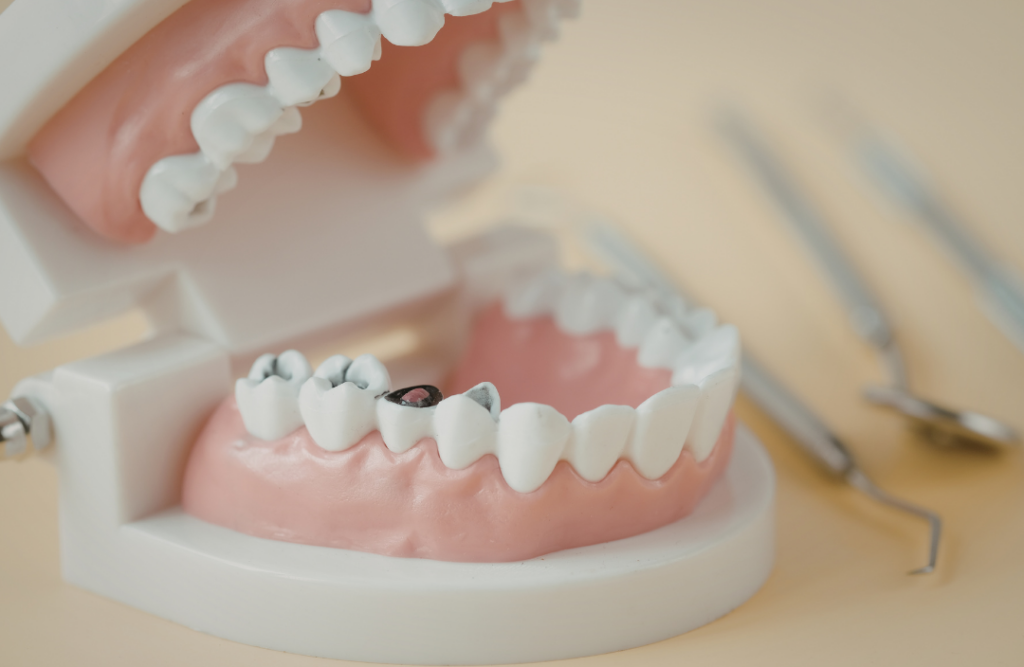
Inlays and onlays sit right between those two options. They’re custom-made restorations that fit precisely into or over the damaged part of your tooth. Nothing more, nothing less.
Here’s how to tell if you might be in this middle-ground situation:
- A tooth has a crack that doesn’t go all the way to the root
- Decay has spread across one or more cusps of a back molar
- An old filling has broken down and the area around it is now too large for a new filling
- You feel sensitivity or mild pain when biting down on one specific tooth
We see patients from the Willow Glen and Almaden Valley neighborhoods come in describing that last one. They’ve been putting up with it for months, assuming it’ll pass. It usually doesn’t.
The difference between an inlay and an onlay is simple. An inlay fits inside the cusps of the tooth, kind of like a puzzle piece dropped into the center. An onlay extends over one or more of the outer cusps. Both are made to match your natural tooth color, so no one’s going to notice anything different when you smile.
Preserving healthy tooth structure matters. According to the American Dental Association, conservative restorations that protect remaining natural tooth tissue tend to support better long-term outcomes. That’s the philosophy behind offering inlays and onlays at our Suite 202 practice in San Jose. We’re not removing more than we need to. We’re fixing what’s actually broken, and doing it in a way that lasts.
Prevention
Material Options That Match Your Tooth and Your Lifestyle
Not every tooth is the same, and not every material works for every situation. When we’re planning your restoration here in San Jose, one of the first conversations we have is about what goes inside the inlay or onlay.
The three main options we work with are porcelain, composite resin, and gold. Each one has a real place depending on where the tooth sits in your mouth, how hard you bite, and what matters most to you visually.
Porcelain
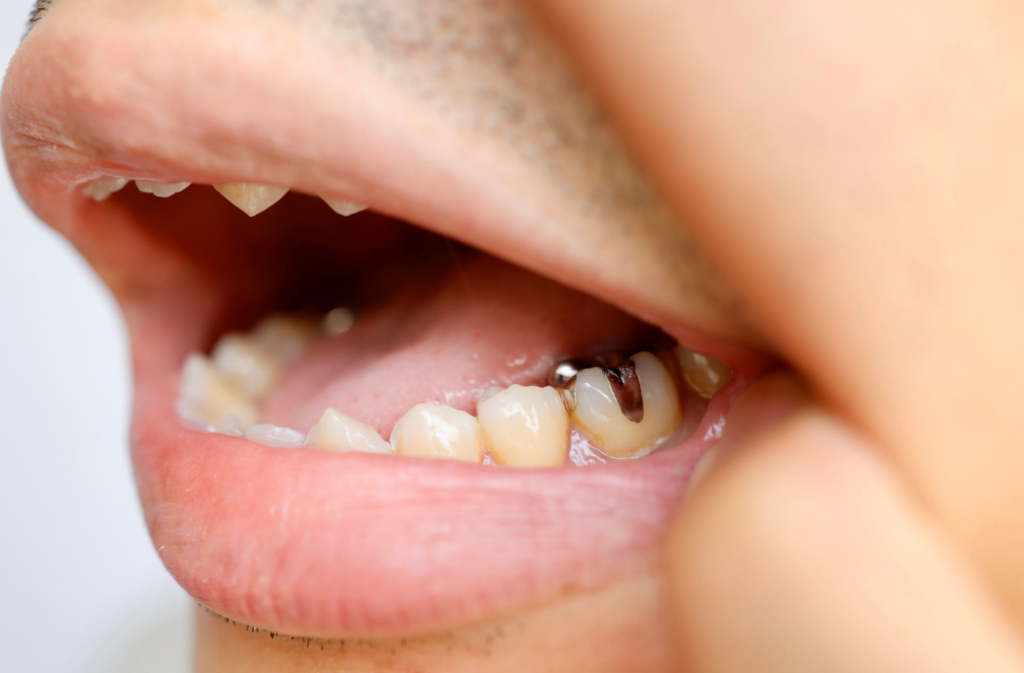
Porcelain is what most of our patients in the Willow Glen area ask about first. It matches your natural tooth color almost exactly. We can shade it to blend with the surrounding enamel so well that most people can’t tell the restoration is there. It’s strong, it resists staining, and it holds up well under normal chewing pressure. For front teeth or any visible tooth, porcelain is usually the first choice we discuss.
Composite Resin
Composite resin is tooth-colored like porcelain, but it’s a softer material. It bonds directly to the tooth structure, so we sometimes remove less of the natural tooth. It does wear a bit faster over time, especially on molars that take a lot of force. We see this come up most with patients who grind at night. If that’s you, we’ll talk through what makes the most sense given that habit.
Gold
Gold has been used in dentistry for well over a century, and there’s a reason it’s still around. It’s incredibly durable. It wears at almost the same rate as natural enamel, it doesn’t crack, and it seals the tooth margin very precisely. The downside is obvious. It’s visible. Most patients choose it for back molars where appearance isn’t the priority but long-term strength is.
At our Suite 202 office, we walk through these options with you using digital x-rays and, when needed, 3D dental imaging so we can see exactly what the tooth needs before we recommend anything. The goal is always a restoration that fits your bite, blends with your smile, and lasts. No guessing, no one-size-fits-all answer.
Most patients are surprised by how many good options they actually have. Learn more about restoration materials from the Colgate Oral Health resource on inlays and onlays.
Inlays & Onlays
What Happens at Each Appointment
Most patients come in not totally sure what to expect, and that’s completely fine. We walk you through every step before we do anything.
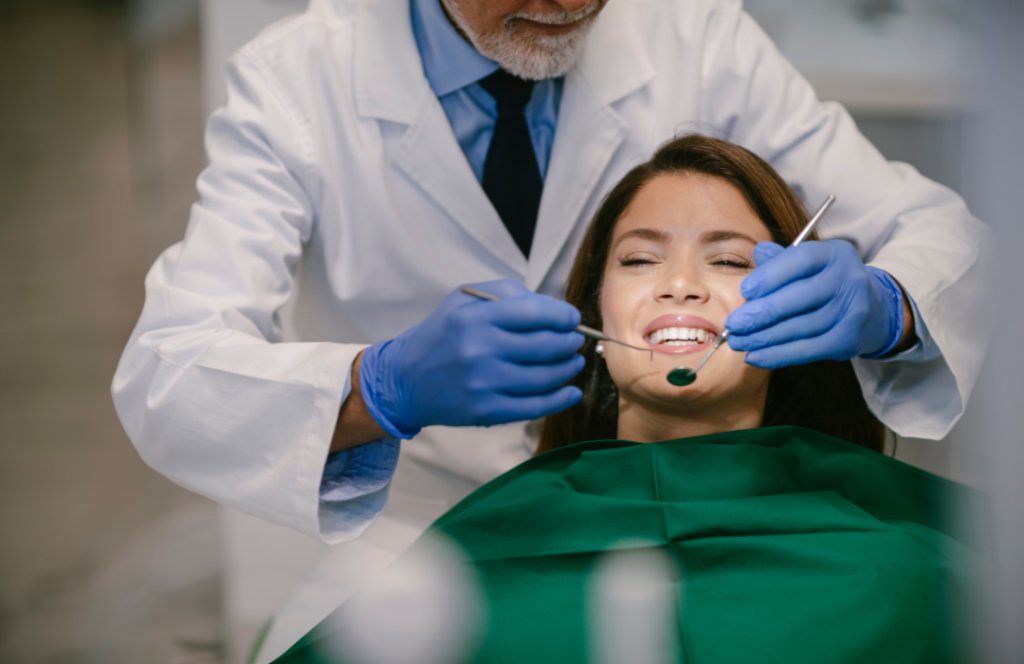
Your first appointment is where we do the real work. We start by numbing the area so you’re comfortable throughout. Then we remove the damaged or decayed portion of the tooth. That part is quick. Once the tooth is clean and shaped, we take a precise impression of it. Our lab uses that impression to craft your inlay or onlay so it fits your tooth exactly, not just close enough.
Here’s what that first visit looks like from start to finish:
- We numb the tooth and surrounding tissue.
- We remove decay or old filling material.
- We shape the tooth to accept the restoration.
- We take a detailed impression of the prepared tooth.
- We place a temporary restoration to protect the tooth while your permanent piece is made.
That temporary piece matters more than people think. It keeps your tooth safe and keeps sensitivity down while you wait. We see patients skip follow-up care during this window and then wonder why things feel off at the second visit.
Your second appointment is usually shorter. We remove the temporary, check the fit of your inlay or onlay carefully, and make any small adjustments before bonding it in place. The fit has to be right. A restoration that’s even slightly off can affect your bite and cause problems down the road.
Patients from the Willow Glen area and across San Jose tell us the second visit feels almost anticlimactic, and we take that as a compliment. It means the prep work was done right.
And once it’s bonded in, you’re done. No special recovery. No extended downtime. Most people go right back to their normal day.
Our team at Suite 202 has placed inlays and onlays for years, and the process we follow is consistent because consistency is what gets predictable results. According to the American Dental Association, properly placed indirect restorations can last longer than direct fillings when the fit and bonding are done correctly.
But the technique only works when the preparation is precise. That’s where we put most of our attention.
How to Know the Restoration Is Working Correctly
Most patients leave our San Jose office at Suite 202 feeling relieved. But a few days later, they wonder: is this actually working the way it should?
Good question. Here’s what normal looks like after inlays and onlays are placed.
Some sensitivity in the first few days is completely expected. Your tooth was worked on, the surrounding tissue needs a little time, and cold or pressure can feel sharper than usual. That fades. If it’s still bothering you after two weeks, call us.
What you want to feel is this:
- Your bite feels even when you close your teeth together
- No sharp edges or rough spots when your tongue runs over the area
- Chewing on that side feels solid, not hollow or loose
- The color blends in well enough that you’re not thinking about it
We see this every week: a patient bites down and something feels just slightly off. Not painful, just not quite right. It’s usually a minor bite adjustment that takes about two minutes to fix. Don’t sit with that. Come in.
The restoration is doing its job when you stop noticing it.
That’s the goal. Inlays and onlays are meant to disappear into your smile. When the fit is right and the material has settled, you shouldn’t be thinking about that tooth at all. You chew, you talk, you go about your day in San Jose, and the tooth just works.
One thing worth knowing: the bond between the restoration and your tooth continues to strengthen in the days after placement. So if something feels slightly firm or snug right after your appointment, that’s normal. The fit gets more comfortable as you settle in.
But if you notice any of these things, reach out:
- Pain when biting down that doesn’t improve after a few days
- Sensitivity to hot that lingers longer than 30 seconds
- Visible gaps or the feeling that something has shifted
Patients near Willow Glen sometimes ask if they need to come back just for a check. We always say yes. A quick follow-up confirms everything is seated correctly, and it gives us a chance to catch anything small before it becomes something bigger. According to the ADA’s Mouth Healthy resource, proper fit and bite alignment are key factors in the long-term success of indirect restorations like inlays and onlays.
The restoration working correctly isn’t complicated to recognize. You feel it. And when something feels off, that instinct is worth a phone call.
Protecting Your Restoration and Avoiding a Bigger Procedure Later
Getting an inlay or onlay is a smart move. But the work doesn’t stop when you leave our office in Suite 202 here in San Jose.
We see this all the time. Someone gets a beautiful restoration, feels great, and then slowly slips back into the habits that caused the damage in the first place. Six months later, they’re back, and now we’re talking about something more involved. A crown. Or worse. That’s not the outcome anyone wants.
The good news? Keeping your inlay or onlay in great shape isn’t complicated. It mostly comes down to a few consistent habits.
What to Watch for After Your Restoration
Your bite might feel slightly different for the first day or two. That’s normal. But if something feels off after a week, call us. Don’t wait it out. A quick adjustment now beats a bigger fix later.
Here are the things that tend to shorten the life of a restoration:
- Chewing ice or hard candy regularly
- Grinding or clenching your teeth at night
- Skipping your twice-a-year dental cleanings
- Using your teeth to open packaging or bottles
And if you’re a grinder, talk to us about a night guard. We offer nitrous oxide sedation for patients who feel anxious about longer appointments, so there’s no reason to put off protective care.
The Long-Term Picture
Inlays and onlays are built to last, but they’re not invincible. Regular oral examinations let us catch small issues before they grow. According to the American Dental Association, patients who keep up with routine exams twice a year have better long-term outcomes for restorations.
Patients in neighborhoods like Willow Glen and Almaden Valley often ask us how long their restoration will hold up. Honest answer: it depends on you. We do our part with precision placement and quality materials. You do your part with daily brushing, flossing, and showing up for your cleanings.
That partnership is what makes the difference. And it’s what keeps a small repair from turning into a full reconstruction down the road.
Frequently Asked Questions
How do I know if I need an inlay or onlay instead of a regular filling?
You likely need an inlay or onlay when the damaged area is too large for a filling to hold up long term. A good sign is sensitivity or mild pain when biting down on one specific tooth. Another is an old filling that has broken down and left too much space for a new one to fill reliably. At our Suite 202 office in San Jose, we use digital x-rays to measure the damage before recommending anything. A filling that’s too big for the space will crack or fall out within a few years.
What should I bring to my first inlay or onlay appointment at your Suite 202 San Jose office?
Bring your dental insurance card and a list of any medications you take. Let us know about any grinding habits before you sit down, since that affects which material we recommend. If you’ve had sensitivity on the tooth for a while, try to note which side and whether heat or cold triggers it. That detail helps us plan the appointment more efficiently. Parking is available near our Suite 202 location in San Jose, so arriving a few minutes early gives you time to settle in without feeling rushed.
How long does the whole process take from first visit to finished restoration?
Most patients complete the process in two appointments, usually spaced one to two weeks apart. The first visit takes longer because we remove the damaged area, shape the tooth, and take the impression the lab needs. The second visit is shorter — we remove the temporary, check the fit, and bond the permanent piece in place. The temporary restoration placed between visits protects the tooth and keeps sensitivity manageable. Skipping follow-up care during that window is a common reason patients feel discomfort at the second appointment.
Will the inlay or onlay be noticeable when I smile or talk?
For most teeth, no — it won’t be noticeable at all. Porcelain inlays and onlays are shaded to match your surrounding enamel closely. Most people cannot tell the restoration is there. Gold is the one exception, since it’s visible on back molars. Many patients in San Jose choose gold specifically for those back teeth because durability matters more than appearance there. We show you the shade options before anything is finalized so you know exactly what to expect.
Is an inlay or onlay better than getting a crown on a cracked molar?
An inlay or onlay is often the better choice when the crack doesn’t reach the root and healthy tooth structure is still present. A crown covers the entire tooth, which means removing healthy enamel that didn’t need to go. Inlays and onlays only restore the damaged portion. The American Dental Association supports conservative restorations that protect remaining natural tooth tissue for better long-term outcomes. We discuss both options honestly at our San Jose office so you can make an informed decision.
Do inlays and onlays work for patients who grind their teeth at night?
Yes, but the material choice matters a lot. Composite resin wears faster under heavy grinding pressure, so it may not be the right fit for you. Gold holds up extremely well and wears at nearly the same rate as natural enamel, making it a strong option for grinders with back molars that need restoration. Porcelain is durable but can be harder on opposing teeth under grinding stress. At our Suite 202 practice in San Jose, we factor in your grinding habit before recommending a material.
Contact
Schedule Your Inlays & Onlays Appointment in San Jose Today
Start or continue your oral health journey with Manassra Dental’s expert exams and diagnostic services in San Jose, CA. Whether it’s your first visit or a routine checkup, our team catches problems early, creates personalized treatment plans, and helps keep your smile healthy and beautiful for years.
Call (408) 809-7760 or book your appointment online for a comprehensive, periodic, or limited exam tailored to your needs.
Open Hours
Mon-Fri: 9am to 5pm
Sat: Closed
Sun: Closed
Location
841 Blossom Hill Rd, Suite 202
San Jose, CA 95123