Periodic Oral Examination in San Jose, CA
The Foundation of Great Dental Care
Periodic Oral Examination
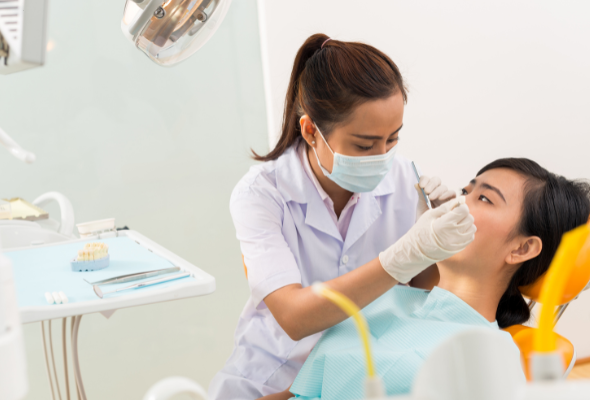
In the health-conscious landscape of San Jose, a Periodic Oral Examination is more than just a “quick look” at your teeth—it’s the cornerstone of your preventive health strategy. While it’s often paired with your six-month cleaning, the exam itself is a targeted diagnostic session where your dentist acts as a detective, looking for changes in your mouth that have occurred since your last visit.
Think of it as the “maintenance check” that prevents a tiny, painless issue from turning into an expensive, middle-of-the-night emergency.
The Foundation of Your Dental Care
What Happens During a Periodic Exam?
Unlike the “Comprehensive Exam” you receive as a new patient, the periodic exam is focused on monitoring your baseline health.
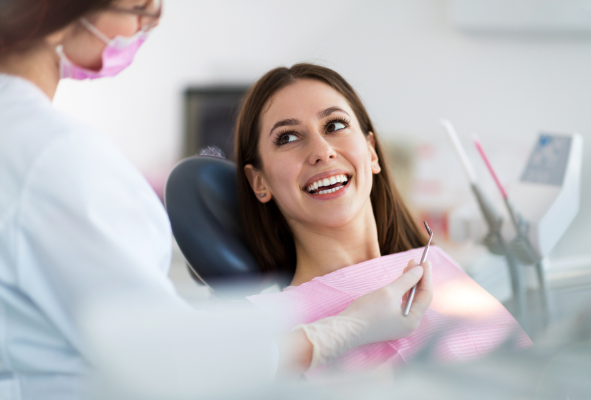
Key Components of the Periodic Evaluation:
- Existing Restorations: They’ll inspect your current fillings, crowns, and bridges to ensure they aren't cracking or leaking.
- Decay Detection: Using a specialized mirror and explorer, they check every surface of your teeth for "soft spots" or new cavities.
- Gum Health Evaluation: Your dentist or hygienist will measure the "pockets" between your teeth and gums to catch early signs of gingivitis or bone loss.
- Oral Cancer Screening: This is perhaps the most critical part. They’ll check your tongue, throat, and the soft tissues of your mouth for any lumps or discoloration.
High-Tech Diagnostics in 2026
The Role of Digital Radiography
In Silicon Valley, dental technology is high-tech and low-radiation. At Manassra Dental we use digital X-rays to see what the naked eye cannot.
- Bitewings: Usually taken once a year to look for decay hidden between the teeth.
- Diagnostic Precision: Digital sensors are 90% more sensitive than old-school film, meaning you get a clearer diagnosis with a fraction of the exposure.
Why “Every Six Months” is the Gold Standard
The goal of a periodic exam is to catch problems while they are still in the “preventive” stage.
- Early Cavities: A small spot can often be “remineralized” with fluoride, whereas a large cavity requires a filling or a crown.
- Systemic Connections: Many health issues, like diabetes and heart disease, show their earliest symptoms in the mouth. Your dentist might be the first person to notice signs of a larger health concern.
Frequently Asked Questions
What is included in an oral exam? +
How often should you get an oral exam? +
What is a routine oral exam? +
What to look for in an oral examination? +
What is a preventive oral exam? +
Contact
Schedule Your Periodic Oral Exam in San Jose Today
Start or continue your oral health journey with Manassra Dental’s expert exams and diagnostic services in San Jose, CA. Whether it’s your first visit or a routine checkup, our team catches problems early, creates personalized treatment plans, and helps keep your smile healthy and beautiful for years.
Call (408) 809-7760 or book your appointment online for a comprehensive, periodic, or limited exam tailored to your needs.
Open Hours
Mon-Fri: 9am to 5pm
Sat: Closed
Sun: Closed
Location
841 Blossom Hill Rd, Suite 202
San Jose, CA 95123