

Root Canal Therapy in San Jose, CA
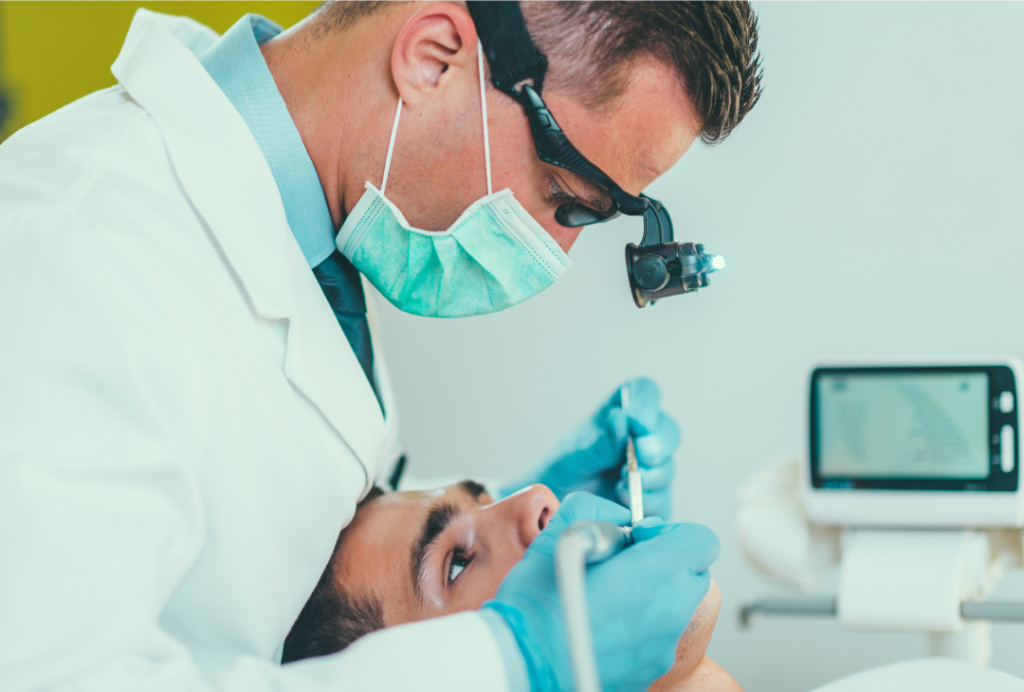
Taking Care of Your dental health
Signs Your Tooth May Need a Root Canal
Most people don’t wake up one morning thinking they need root canal therapy. They wake up thinking something just feels off.
Maybe it’s a sharp pain when you bite down on your morning toast. Maybe it’s a dull throb that won’t quit, even after you take something for it. Patients come into our Suite 202 San Jose office with this pattern often. The tooth is trying to tell you something, and it’s worth listening.
Here are the signs we hear about most often:
- Lingering sensitivity to hot or cold that stays long after the food or drink is gone
- Spontaneous, throbbing pain with no obvious trigger
- Swelling or tenderness in the gum right around one tooth
- A small pimple-like bump on the gum near the root
- Tooth discoloration, usually a grayish or darkening shade
- Pain that gets worse when you lie down or lean forward
That bump on the gum is one people miss. It’s called a sinus tract, and it means infection has been building long enough to find an exit. By the time that shows up, the pulp inside the tooth is already in serious trouble.
Not every toothache means you need root canal therapy. Sometimes it’s a cracked filling or early decay. But if the pain is deep, persistent, or coming back after it seemed to go away, that’s different. That’s usually the nerve.
Patients in the Willow Glen and Rose Garden neighborhoods often come to us after trying to wait it out for a few days. Totally understandable. But infection inside a tooth doesn’t resolve on its own. It spreads. Once it spreads to the bone or surrounding teeth, the treatment gets more involved.
So if something’s been nagging at you, don’t sit on it. Give us a call at Suite 202 San Jose and let us take a look before it turns into something bigger.
Prevention
What Happens During Root Canal Therapy
Most people come in expecting the worst. What they actually experience is calmer than they imagined.
Root canal therapy is really just a cleaning procedure. We’re removing infected or damaged tissue from inside the tooth, cleaning out the canals, and sealing everything up so the infection can’t come back. That’s it. The tooth stays. You keep your smile. And the pain that brought you in is gone.

Here’s how it actually goes, step by step:
- We take digital x-rays or 3D dental imaging to see exactly what’s happening inside the tooth and how many canals we’re working with.
- We numb the area completely. You won’t feel a thing once the anesthetic kicks in.
- A small rubber dam goes around the tooth to keep the area clean and dry.
- We create a small opening in the top of the tooth to access the pulp chamber.
- The infected pulp tissue is carefully removed from each canal using fine instruments.
- Each canal gets shaped, flushed, and disinfected thoroughly.
- We fill the canals with a biocompatible material called gutta-percha and seal the tooth.
- A temporary or permanent restoration goes on top to protect the tooth while it heals.
The most common thing patients say when it’s done is, “That was it?” The procedure itself usually takes one to two appointments depending on how complex the case is.
Patients from the Willow Glen area especially tend to be surprised by how routine it feels. We use nitrous oxide sedation or oral sedation for anyone who’s nervous, so you’re comfortable the whole time.
After the canals are sealed, most patients go on to get a dental crown placed over the tooth. That protects it long-term and restores full function. You’ll be able to chew normally, smile normally, and forget the tooth ever gave you trouble.
And if you’re worried about recovery, most people are back to their regular routine the next day. Some mild soreness for a day or two, nothing that over-the-counter relief can’t handle.
Root Canal Therapy
Comfort Options for Patients Who Feel Anxious
Dental anxiety is real. Patients come in from Willow Glen, from downtown San Jose, from all over, and the first thing they say is some version of “I’m really nervous about this.” That’s okay. You don’t need to pretend otherwise.
Root Canal Therapy has a reputation that doesn’t match the reality of modern dentistry. Most patients tell us afterward that it felt about the same as getting a filling. But knowing that doesn’t always quiet the nerves before you walk in, and that’s exactly why we offer real comfort options here at our Suite 202 San Jose office.
Sedation Options We Offer
You’ve got choices, and we’ll talk through all of them before we do anything. Here’s what’s available:
- Nitrous oxide sedation: You breathe it in through a small mask, it kicks in fast, and you stay awake but feel calm and relaxed. It wears off quickly too, so you can drive home.
- Oral sedation: You take a pill before your appointment. By the time you’re in the chair, most people feel drowsy and at ease. You’ll need someone to drive you.
- IV sedation: For patients with serious anxiety, this is the deepest level of relaxation we offer. You’re monitored closely the whole time.
Not sure which one fits your situation? That’s actually pretty common. We’ll ask you a few questions about your anxiety level and your health history, and we’ll figure it out together.
Beyond sedation, we do a lot of small things that add up. We explain every step before we do it. No surprises. We use topical numbing before the injection so you don’t feel a thing going in. And if you need a break mid-procedure, just raise your hand. We stop.
The local anesthetic we use means the treatment area is completely numb before we begin. You might feel some pressure, but pain isn’t part of the process.
Some patients in Suite 202 San Jose bring headphones and listen to music or a podcast the whole time. Others just want to close their eyes and breathe. Whatever helps you feel settled, we’re fine with it. This is your appointment, and our job is to make sure you leave feeling relieved, not rattled.

Recovery and What to Expect After Your Appointment
Most people leave our Suite 202 San Jose office feeling pretty good. The numbness wears off over a couple of hours, and that’s usually when patients start to notice some mild soreness around the treated tooth.
That soreness is normal. It doesn’t mean something went wrong. It means your body is healing. For most patients, it settles down within two to three days.
Here’s what recovery typically looks like for our patients:
- Mild to moderate tenderness when biting down, usually for two to four days
- Some swelling or sensitivity in the gum tissue right around the tooth
- A temporary filling in place until your permanent crown appointment
- Slight jaw soreness from keeping your mouth open during the procedure
Over-the-counter pain relievers handle most of the discomfort just fine. Ibuprofen works well because it reduces inflammation at the same time it cuts the pain. We’ll go over exactly what to take and how often before you head out the door.
Eating soft foods for the first day or two makes a real difference. Think yogurt, mashed potatoes, soup. Avoid chewing directly on that tooth until your permanent crown is placed. The temporary restoration does its job, but it’s not built for heavy chewing.
Don’t skip that crown appointment. The root canal therapy saves the tooth, but the crown is what protects it long-term. We’ve had patients in the Willow Glen area come back months later with a cracked tooth because they put off the crown, and that’s a situation nobody wants.
Sharp pain that gets worse after day three, visible swelling, or a fever? Call us right away. Those signs are uncommon, but we want to know if something feels off.
Most of our patients are back to their normal routine the next day. That’s the part that surprises people most. Root canal therapy has a reputation for being this big, scary thing, but the recovery is pretty manageable for the vast majority of folks we treat here in San Jose. The AAE’s root canal recovery guide backs this up with patient data.
Why Delaying Root Canal Therapy Makes Treatment Harder
A toothache that comes and goes feels easy to ignore. But that on-and-off pain is your tooth telling you something is already wrong inside.
Patients come in after months of managing the pain with over-the-counter meds, hoping it’ll just resolve on its own. By that point, what started as a straightforward root canal therapy case has turned into something much more involved. The infection has had time to spread, the surrounding bone has started to break down, and now we’re looking at additional procedures just to get back to square one. This happens in San Jose offices regularly.
Here’s what actually happens when you wait:
- The bacterial infection spreads beyond the tooth root into surrounding bone tissue
- An abscess can form, causing swelling, fever, and serious discomfort
- Neighboring healthy teeth become vulnerable to the spreading infection
- Bone loss around the tooth can make saving it much harder, or impossible
- In rare but serious cases, untreated dental infections can spread to the jaw, neck, or beyond
According to the American Association of Endodontists, most root canal therapy cases are straightforward when caught early. The longer the infection sits, the more complex the treatment becomes.
Think about the Willow Glen and Almaden Valley patients who come to us after a tooth has been hurting for six months. The delay turned a one-appointment procedure into a multi-visit case with additional healing time. That’s not a scare tactic. That’s just what untreated infections do.
And here’s something people don’t always realize. The pain sometimes stops on its own, not because the problem is gone, but because the nerve has died. The infection is still there. It’s still spreading. The silence is misleading.

Frequently Asked Questions
How do I know if my toothache actually needs a root canal or just a filling?
If the pain is deep, keeps coming back, or lingers after hot or cold food, it’s likely the nerve — not just a filling issue. A cracked filling or early decay can cause sensitivity too, but those feelings usually pass quickly. Nerve pain sticks around. At our Suite 202 San Jose office, we take digital x-rays right away to see exactly what’s happening inside the tooth. That tells us fast whether the pulp is involved or if something simpler can fix it.
What should I bring or do to prepare for my root canal appointment at your office?
Eat a normal meal before you come in, especially if you’re choosing oral sedation — you’ll want food in your stomach beforehand. Wear comfortable clothes and plan for about one to two hours at our Suite 202 San Jose office. If you’re using oral sedation, bring a driver with you. You won’t be able to drive yourself home. Bring your ID and any dental records if you’ve seen another dentist recently. That’s really all you need to do to get ready.
What happens after the root canal is done — what's my recovery like?
Most patients go back to their normal routine the next day. You may feel mild soreness for a day or two, but over-the-counter relief handles it well for most people. The tooth will need a dental crown placed over it after it heals. That crown protects the tooth long-term and restores full chewing function. Until the crown is placed, try to chew on the other side. Your tooth is sealed after the procedure, but it needs that final restoration to hold up for years.
I'm really anxious about root canal therapy — what can you actually do to help me feel okay?
You have real options, not just reassurance. Nitrous oxide lets you stay awake but feel calm, and it wears off fast so you can drive home. Oral sedation means you take a pill beforehand and feel drowsy by the time you sit down. For serious anxiety, IV sedation is available too. We also use topical numbing before any injection so you don’t feel the needle. You can raise your hand anytime and we stop. Many patients at our Suite 202 San Jose office bring headphones and listen to music the whole way through.
Contact
Schedule Your Root Canal Therapy Appointment in San Jose Today
Start or continue your oral health journey with Manassra Dental’s expert exams and diagnostic services in San Jose, CA. Whether it’s your first visit or a routine checkup, our team catches problems early, creates personalized treatment plans, and helps keep your smile healthy and beautiful for years.
Call (408) 809-7760 or book your appointment online for a comprehensive, periodic, or limited exam tailored to your needs.
Open Hours
Mon-Fri: 9am to 5pm
Sat: Closed
Sun: Closed
Location
841 Blossom Hill Rd, Suite 202
San Jose, CA 95123