
Composite Bonding in San Jose, CA
What Composite Bonding Fixes
Composite bonding works on small, specific problems like a chipped front tooth, a gap between two teeth, or a stain that won’t lift with whitening. It is not meant for major structural damage; that is a job for a crown.

What gets fixed with bonding? Usually, we are looking at one of three things. A chip from biting into something hard. A gap that has bothered someone since they were a teenager. Or a stain that whitening alone will not touch, perhaps from an old filling edge or a spot of fluorosis.
- Chipped or fractured front teeth from a fall, a sports hit, or biting down on something unexpected
- Small gaps between teeth, sometimes called diastema, without needing braces or aligners
- Discolored spots that resist whitening treatment because they sit below the enamel surface
- Slightly worn or uneven edges that make a smile look choppy in photos
- Small cracks that are not deep enough to threaten the tooth’s structure
A patient sometimes comes in pointing at one tooth, a chip they have been hiding with their hand when they smile. Bonding allows us to build that edge back up in one visit, with no lab work or waiting.
If a tooth has a big crack running toward the root, or the decay has gone deep, bonding will not hold up long term. That is when a crown or a filling makes more sense, and we will tell you straight if that is the case.
Bonding Versus Veneers: Choosing the Right Fix
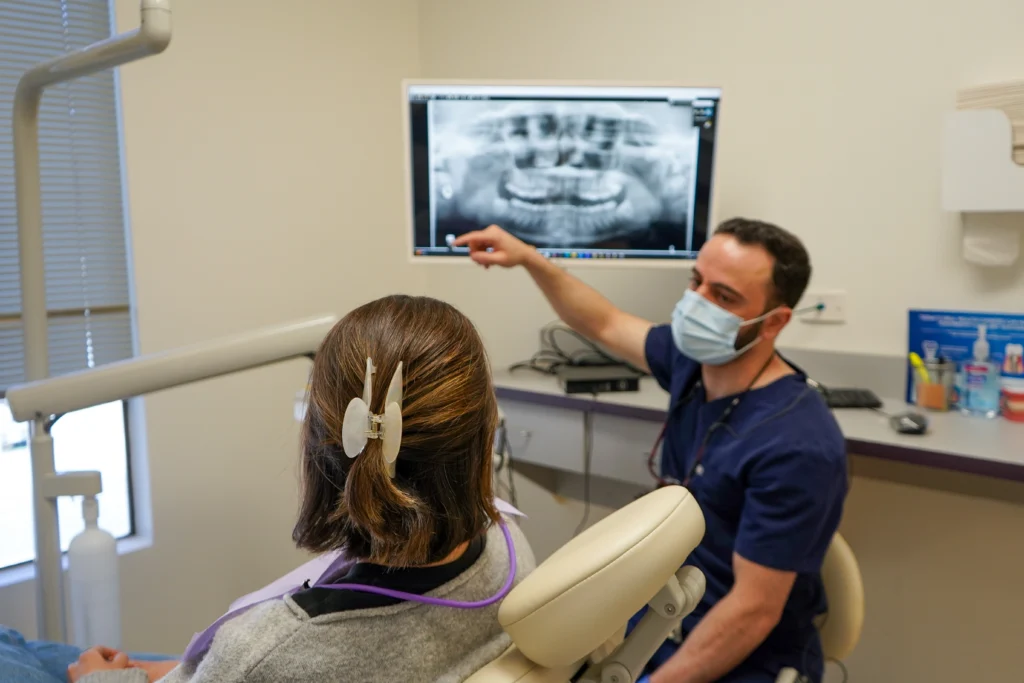
The real question is: are you fixing one tooth or redesigning a whole smile? Composite bonding shapes tooth colored resin right onto your existing tooth. No shaving, no lab, no waiting. Porcelain veneers work differently; they need a thin layer of enamel removed so a custom shell can sit flush on top. Bonding goes on in one visit, veneers usually take two.
If it is one tooth, a small chip, a gap between the front two teeth, or a spot that is darker than the rest, bonding handles it. It is fast, minimal, and reversible in a way veneers are not.
- One chipped or worn tooth from grinding or an old accident
- A small gap you want closed without orthodontics
- A single tooth that is darker or shaped differently than its neighbors
- You want to keep as much natural tooth structure as possible
Veneers make more sense when several front teeth need the same fix at once, or when someone wants a total smile makeover with long term stain resistance. Dr. Manassra specializes in cosmetic dentistry and walks through both options during your visit, so you are not guessing which one fits your situation. Sometimes the answer is a mix, bonding on one tooth, veneers left alone entirely.
When Composite Bonding Is Not the Right Choice
Composite bonding is great for small fixes, but it is not built for every problem that walks through our door. Someone sometimes wants bonding for something that really needs a different approach.
If a tooth has a large fracture that goes below the gum line, bonding will not hold. The bite forces will just pop it right off or crack it again within months. That tooth usually needs a dental crown instead, something that wraps the whole tooth and takes real chewing pressure.
Heavy grinding is another one. If you clench at night, bonding material wears down fast, sometimes in a year or two. We would rather tell you that upfront than have you back in our chair sooner than you expected.
- Deep discoloration from inside the tooth, like old root canal darkening, often needs a crown or veneer to fully cover it
- Gaps wider than a few millimeters can look bulky and unnatural with bonding alone
- Crooked teeth that need real movement should go through clear aligners or traditional braces first
- Teeth with large old fillings already covering most of the surface usually need a crown, not another layer on top
If you are chipping the same tooth over and over, that is not a bonding problem. That is a bite problem. We will check your bite before we touch anything.
If bonding is not right for you, we will say so plainly, then walk you through what will work.
Ready when you are – get in touch today.
What Happens During Your Bonding Appointment

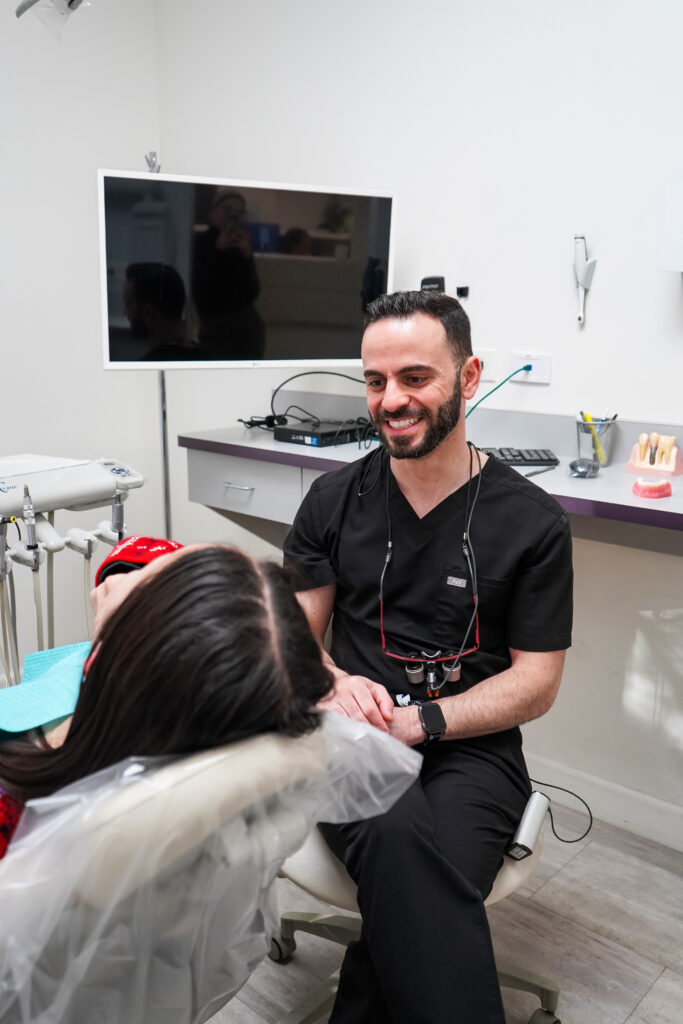
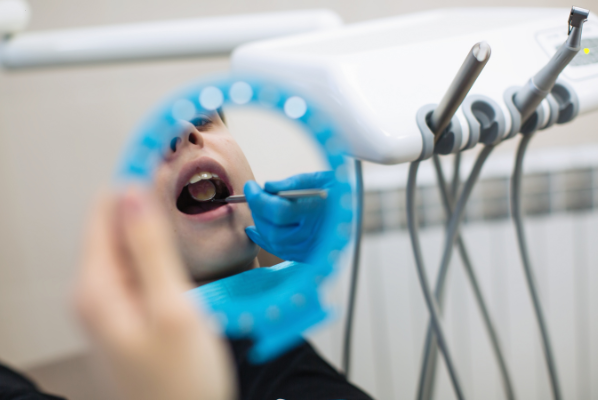
One visit usually gets the job done. No molds sent to a lab, no waiting weeks for a crown to come back. Composite bonding happens right in the chair, start to finish, in about 30 to 60 minutes depending on how many teeth we are working on.
We will start by picking a resin shade that matches your natural teeth. This part matters more than people think; a patient tells us they cannot even find the tooth we worked on once we are done.
- We clean and lightly roughen the tooth surface so the resin has something to grip.
- A bonding gel goes on first. It helps the composite stick without harming the enamel underneath.
- We apply the tooth colored resin in layers, shaping it as we go to match your bite.
- A curing light hardens each layer in seconds. That is the blue light you will see and it does not hurt.
- Once we are happy with the shape, we polish it smooth so it blends right in with the rest of your smile.
No numbing shot is needed most of the time, since we are not touching nerve tissue. If you get anxious in the chair, we have blankets, pillows, and headphones ready, and we will go at a pace that keeps you comfortable.
You will be able to eat and talk normally right after. That is part of why bonding fits so well into a busy San Jose schedule: lunch break in, smile fixed, back to work.
Caring for Bonded Teeth After Your Visit
Composite bonding feels like your own tooth the moment you leave the chair. It bites, chews, and looks natural right away. The material does need a little care in the first day or two while it fully sets.
For the first 24 to 48 hours, skip anything that stains easily. Coffee, red wine, tea, and dark sauces can settle into the resin before it fully hardens. After that window, the bonding resists stains almost as well as natural enamel, though it is not permanent.
Brush and floss like you normally would. Composite bonding does not need special toothpaste or a different routine, just your regular twice-a-day habit. We do ask patients to be gentle around the edges of the bonded tooth for the first week or so; the margins are strong but they are new.
- Avoid biting nails, ice, or pen caps. This is the number one reason bonding chips early.
- Wear a nightguard if you already grind your teeth at night.
- Rinse with water after coffee or tea instead of letting it sit on the tooth.
- Skip using your front teeth to open packages or tear tags.
Most times, when bonding fails early, it is because someone used their teeth like a tool. It is easy to avoid once you know it.
Notice a rough edge with your tongue, or see a small chip after a few years? Call us before it gets worse. A quick polish or touch-up now is simpler than repairing a larger chip later.
Frequently Asked Questions
How long does a composite bonding appointment take at your San Jose office?
Most bonding visits take 30 to 60 minutes, depending on how many teeth need work. You will not need to book a second trip or wait on a lab. Because it is quick, a lot of our San Jose patients come in on a lunch break, get the chip or gap fixed, and head straight back to work. There is no numbing shot in most cases, so you can eat and talk normally the moment you leave the chair.
What should I avoid eating or drinking right after composite bonding?
Skip coffee, red wine, tea, and dark sauces for the first 24 to 48 hours after your visit. The resin is still settling during that window, and staining foods can sink in before it fully hardens. Once that time passes, you can go back to your normal diet without worrying about the color changing. We will walk you through this before you leave our office so nothing catches you off guard.
Should I get composite bonding or veneers for my chipped tooth?
Bonding is usually the better fit for one chipped or gapped tooth, while veneers make more sense for several front teeth at once. Bonding shapes resin directly onto your existing tooth in a single visit, with no enamel removed. Veneers need a thin layer shaved down and typically take two appointments. Dr. Manassra will look at your specific tooth during your visit and tell you plainly which option fits your situation best.
Can I get composite bonding if I grind my teeth at night?
You can, but we will be honest that bonding wears down faster under heavy grinding, sometimes within a year or two. We would rather tell you this before we start than have you back in our San Jose chair sooner than planned. If you chip the same tooth over and over, that usually points to a bite problem, not a bonding problem, and we will check your bite first before touching anything.
Does composite bonding hurt or require numbing?
No numbing shot is needed for most bonding appointments because we are not touching nerve tissue. You will feel the tooth being cleaned and lightly roughened, then see a blue curing light harden each layer, which does not hurt. If you get anxious in the chair, we keep blankets, pillows, and headphones ready and go at whatever pace keeps you comfortable throughout the visit.
Can composite bonding fix a stain that whitening did not remove?
Yes, bonding often covers stains that sit below the enamel surface, like discoloration from an old filling edge or fluorosis, which whitening cannot reach. We match the resin shade to your natural teeth so the fixed spot blends in rather than standing out. If the discoloration comes from deep inside the tooth, such as old root canal darkening, a crown or veneer usually covers it better, and we will tell you if that is the case.
Contact
Schedule Your Professional Dental Cleaning in San Jose Today
Start or continue your oral health journey with Manassra Dental’s expert exams and diagnostic services in San Jose, CA. Whether it’s your first visit or a routine checkup, our team catches problems early, creates personalized treatment plans, and helps keep your smile healthy and beautiful for years.
Call (408) 809-7760 or book your appointment online for a comprehensive, periodic, or limited exam tailored to your needs.
Open Hours
Mon-Fri: 9am to 5pm
Sat: Closed
Sun: Closed
Location
841 Blossom Hill Rd, Suite 202
San Jose, CA 95123